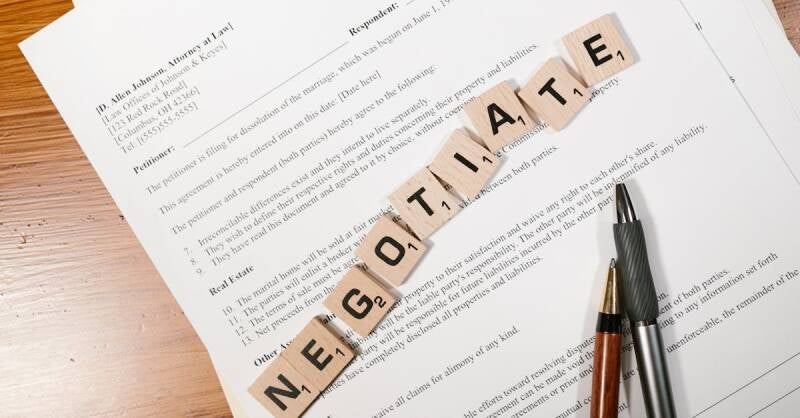
When a relationship breaks down, many people assume that going to court is the next step.
Legal documents are prepared, positions become fixed, and communication can quickly deteriorate.
But in Ireland, court is not always the first—or best—option.
The reality of disputes
Whether the issue involves separation, children, finances, or family matters, most situations come down to one thing:
👉 reaching an agreement.
However, when communication has broken down, negotiation can feel impossible.
Conversations can become tense, emotional, and unproductive.
Mediation in the Irish legal context
Under the Mediation Act 2017, mediation is recognised as an important way to resolve disputes.
In fact:
- Solicitors are required to advise clients about mediation before starting court proceedings
- Courts may invite parties to consider mediation
This reflects a growing recognition that many disputes can be resolved more effectively outside of court.
How mediation supports negotiation
Mediation provides a structured and neutral setting where both parties can:
- Communicate more effectively
- Explore options
- Work towards practical agreements
A trained mediator guides the process, helping to keep discussions balanced, respectful, and focused on solutions.
Avoiding unnecessary stress and cost
Court proceedings can be:
- Time-consuming
- Costly
- Emotionally draining
Mediation offers an alternative that allows people to:
- Retain control over decisions
- Reach agreements at their own pace
- Focus on future arrangements rather than past conflict
Not instead of legal advice—but alongside it
Instead, it can work alongside it—helping parties reach agreement, which can then be formalised if needed.
Final thought
Before taking the step towards court, it may be worth considering: